Advertisement

Summer on Primrose Hill in London. Tartezy/Shutterstock
You could easily argue that there's no such thing as a bad time to visit England's capital city. London hosts world-class events year-round, and is home to incredible galleries and museums, cozy pubs, and beautifully landscaped parks and gardens that you shouldn't miss. This is a city that doesn't hold back from flaunting its many stunning attractions no matter what the weather is doing...although – spoiler alert – this often involves gray skies, and it rains on around 145 days of the year.
For this reason, summer is the season to come to London. Festivals flourish across the city, pop-up markets and beaches appear all over and al fresco eating and drinking are all the rage. Prices might be higher, everywhere will be more crowded, and you should book accommodations well in advance, but the option to entertain outdoors means summer is when London is at its most exciting and glamorous.
Advertisement
As with anywhere, you should time your visit to suit your interests and budget. Our seasonal guide will help you decide the best time for your visit to London.

Summer is the best time for festivals and sunshine
Weather in London in June to August: There's reduced rainfall through the summer months, with highs of 23°C (73°F) on average, but hitting the high 30°Cs (102°F) during heat waves, which are becoming more frequent. Public buildings have air-conditioning, but many historic buildings and most of the transport network does not.
Expect to be cheek by jowl with strangers on the sweaty public transport system and fork out higher prices for accommodations. But this is also the time the city is buzzing with events – from one of the largest street parties in the world to small pop-up book fairs and markets.
London's parks fill up with locals enjoying the summer sun, and beer gardens overflow with the sound of vitamin-D-induced joy and laughter. It's the perfect time to skip the heat and humidity of the tube and explore the city on foot.

June begins with long, warm days (it's light until 10pm) and the arrival of many alfresco events, including a naked bike ride through the city. The South Bank is a lively spot for a wander, with something always happening, whether that's street food markets or live music; it also plays host to the Meltdown festival, which is curated by a different artist every year. Delve into the world of art and design at the Royal Academy Summer Exhibition and the London Festival of Architecture.
Advertisement
July brings high temperatures and sporting prestige as Wimbledon rolls out the green carpet to international tennis stars. Enter the ticket lottery and you could be enjoying strawberries and cream at the final. London's LGBTQ+ community takes to the streets to celebrate Pride and the whole city becomes a rainbow-filled delight. Keep the party going and dance into the wee hours at Wireless Festival.
August brings festival season throughout the UK but London goes into overdrive with the hugely popular Notting Hill Carnival. This glorious celebration of Caribbean culture takes place on the last weekend of the month, a bank holiday when thousands of people party in the streets around this area of West London.

Fall is the best time for architecture and the arts
Weather in London in September to November: September can continue to be warm and sunny, with highs of 22°C (72°F), but the days gradually get gloomier and a chill sets in through November, where the maximum temperature is around 12°C (54°F). Bring layers and a waterproof coat.
London in the fall can be anything from dreary wet-and-windy days to crisp, bright sunshine glowing off the spectacular autumn scenery across the city's many parks and commons. The city tends to be a little quieter in September as local kids start a new school year near the start of the month. It's the best time for architecture and interior design lovers to head to the city for the Open House Festival, where properties normally shut to the public allow visitors and offer tours.
Temperatures dip in October but parks are splashed with gorgeous fall colors. Clocks go back to wintertime on the last weekend of the month, and kids celebrate Halloween with ghoulish dress-up and trick-or-treating. Silver-screen glamour rolls into town with the London Film Festival and you can purchase an original work of art as a souvenir of your trip at the Affordable Art Fair in Battersea.
Winter is the best time for visiting museums and galleries
Weather in London in December to February: Winter brings cold, wet and gray days that don't seem to last very long at all – the sun makes a fleeting appearance before slipping away mid-afternoon. Temperatures can reach a high of 9°C (48°F) through December, but January and February can be much colder and very rainy. It doesn't snow often, but when it does, allow a lot more time for all your journeys.
The city is far from empty in winter and major sights remain open, making this the perfect time to explore London's incredible museums and galleries, wander the chilly but atmospheric streets, and get your fill of local food and drink in the warm confines of a traditional London pub. In November, pick a venue and enjoy live music at the London Jazz Festival before taking to the streets to enjoy a spectacular firework display on Guy Fawkes Night. The best public displays happen in Primrose Hill, Highbury Fields, Alexandra Palace, Clapham Common and Blackheath.
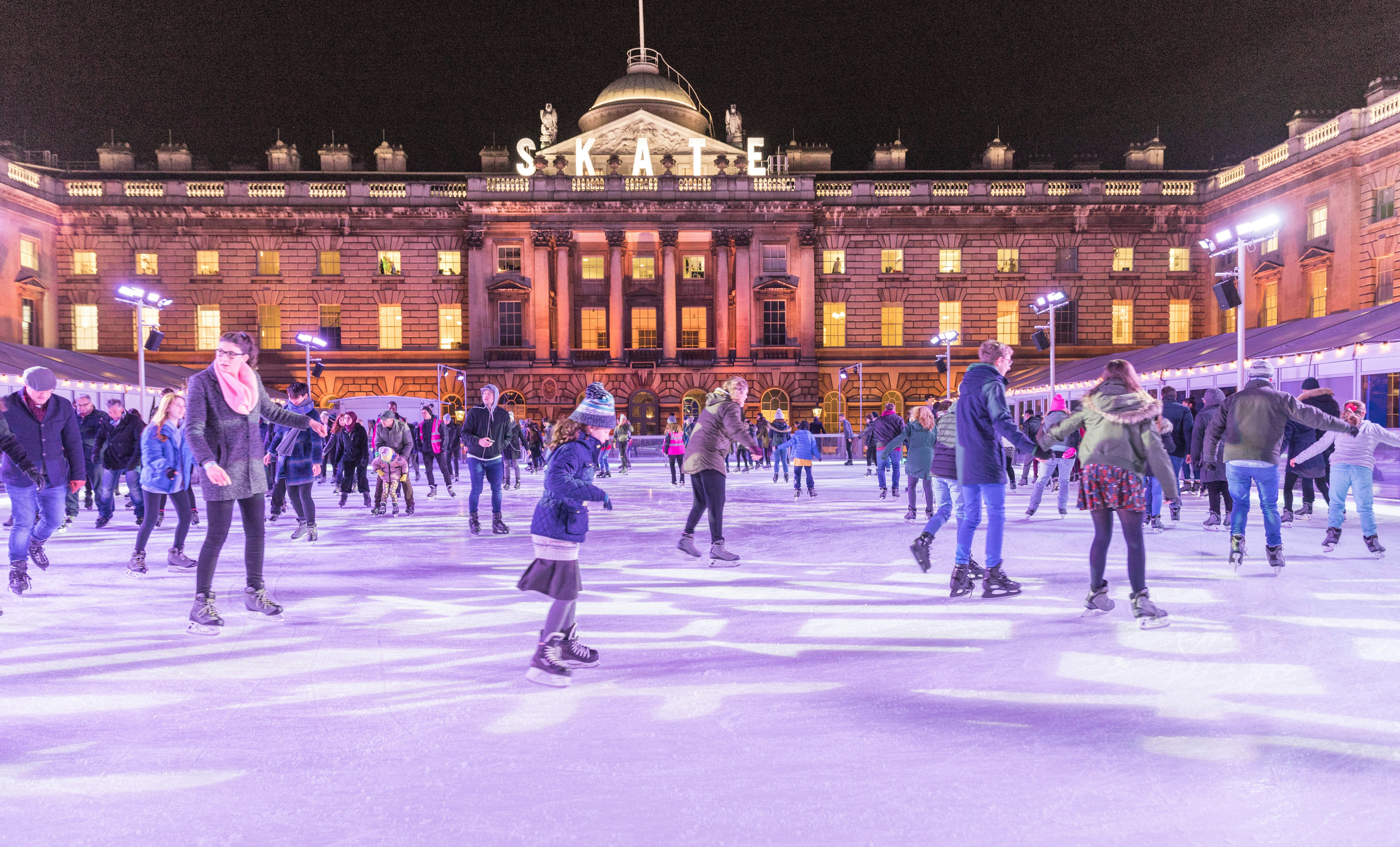
A festive mood fills the city in December as Christmas markets pop up across London. Ice rinks open up with popular locations at Somerset House, the Natural History Museum, and the South Bank. Christmas Day is quiet – all shops and museums close and the public transport network shuts down. It's all go again on Boxing Day, as keen shoppers hit the sales to nab a bargain for the new year. Expect shopping areas in the West End, such as Oxford St, Regents St and Covent Garden, to be very busy indeed.
New Year celebrations kick off with a big bang at midnight as firework displays light up the sky and people party in the streets. London is in the depths of winter, with short days: light appears at around 8am and is all but gone by 4pm. February is chilly and wet, and it may snow, which tends to bring the city's transport to a grinding halt. Chinese New Year falls somewhere between the end of January and early February, drawing big crowds to London's Chinatown for a huge celebration. Some historic markets, such as Greenwich and Leadenhall Market, host Pancake Day Races on Shrove Tuesday.
Spring is the best times for beautiful parks and gardens
Weather in London in March to May: It can still be quite rainy through spring, so bring a waterproof jacket. The sun does tend to break through the cloud though, with highs in April reaching 15°C (59°F) and 18°C (64°F) in May.
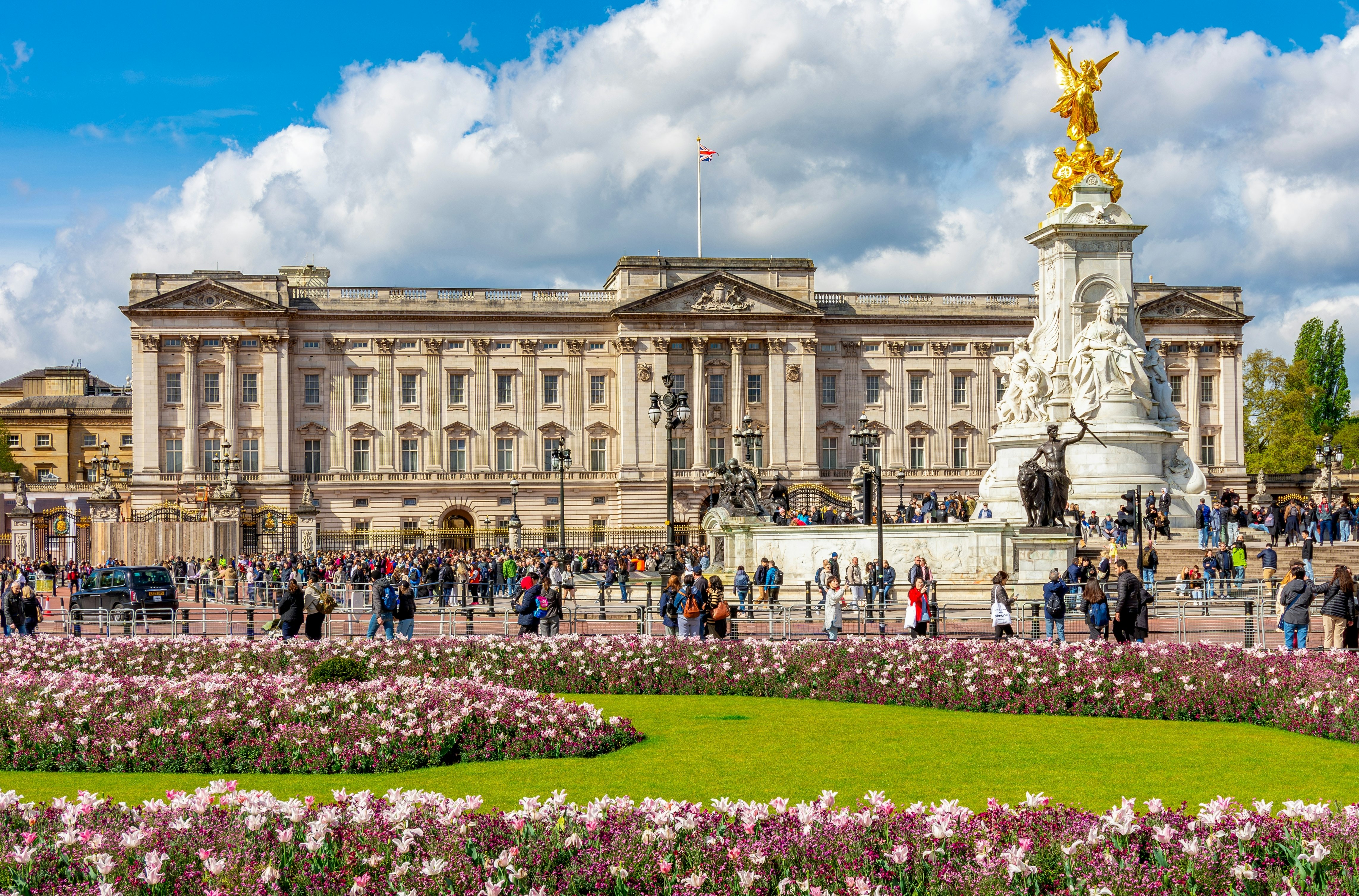
Spring can be a delightful time to visit the city, with events starting to pick up and many flowers blooming in the city's parks and gardens. The Irish community comes together to celebrate culture and country on St Patrick's Day on March 17 with a parade and festival. The clocks go forward in late March and the days get longer. The whole city turns out in April to cheer on the brave souls that take on the London Marathon.
May brings respite for the masses with two bank holidays bookending the month and everyone is in the mood to party. The days are getting warmer and the Underbelly Festival brings cabaret, live music, circus acts and more to the streets of London while beautiful blooms brighten up the capital during the Chelsea Flower Show.
Advertisement
Take your England trip with Lonely Planet Journeys
Time to book that trip to England
Lonely Planet Journeys takes you there with fully customizable trips to top destinations – all crafted by our local experts.