Advertisement

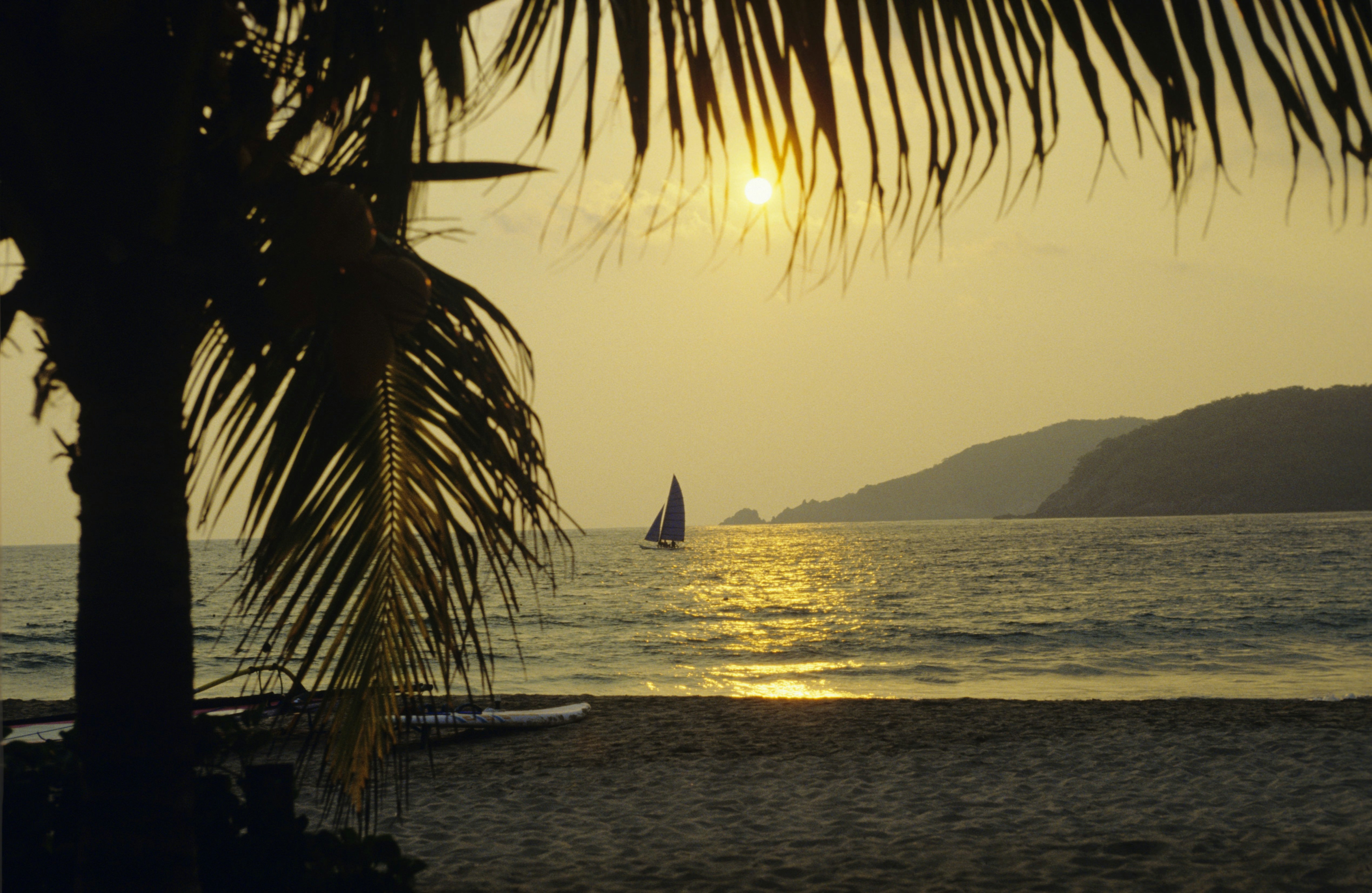
A beach scene in Zihuantanejo, Guerrero, Mexico. JRomero04/Shutterstock
Imagine a destination on Mexico’s Pacific coast where colorful buildings cascade down the slopes of the Sierra Madre del Sur mountains, and where calm bays curve along white sandy beaches. Welcome to the charming town called Zihuatanejo.
In the 1970s, Zihuatanejo – it translates to “place of women” in Nahuatl, and is universally known as just Zihua – was a more low-key getaway than neighboring Ixtapa, and attracted celebrities of the day, including Andy Warhol, John Wayne, Liz Taylor and Mick Jagger. Decades later, Zihua continues to attract travelers tired of the crowded, resort-heavy destinations in the Yucatán and the Baja Peninsula. In Zihua, which is in the Mexican state of Guerrero, they’ll find something different: a beach town where visitors can savor the local culture, community and nature.
The core of Zihua’s charm can be found in the warm waters off its four beaches, and in the many restaurants in the village and lining the boardwalk. Unlike other Mexican resort towns, these are spaces where tourists and locals truly mingle and connect.
Here’s all you need to know ahead of your trip to Zihuatanejo, Mexico.
Advertisement
When should I go to Zihuatanejo?
Travelers to Zihuantanejo will enjoy temperatures in the 80s°F (26–30°C) range year-round, which is why many US travelers visit during the winter, and why the region’s high season lasts from October to June.
July to September is Zihua’s rainy season, September being the wettest month of the year. (April is the driest.) Even so, rain tends to fall in the evenings or at night, so you can generally enjoy a lot of sun during the day. Just keep in mind that hotter temperatures and rainfall can create some humidity.
Because the weather is pretty consistent throughout the year, hotel prices don’t seem to change dramatically. Still, as in most places in Mexico, prices may increase around holidays and festivals, like SailFest in late February, the International Guitar Festival in March, the International Sports Fishing Contest in May, and the Zihua municipality’s anniversary, which falls during the winter holidays.
Is it easy to get in and around in Zihuatanejo?
From Ixtapa–Zihuatanejo International Airport, it’s a 15-minute drive to the city center. If you’re planning to explore the surrounding areas, you could rent a car for a day or two, but otherwise it’s quite easy to get around on foot.
Of course, some routes will be shorter than others, depending on where you stay. Playa La Ropa, for example, is a bit of a trek from the town center: while the walk is hilly (remember, the city is on a mountain slope), the views along the way are amazing.
If you prefer not to or can’t walk, taxis are plentiful in Zihua. The city is not that large, so expect most rides to cost no more than 80 Mexican pesos. An official taxi from the airport to the city center will have a fixed rate of between M$500 and M$600 (an unofficial taxi, which you can find on roads outside the airport terminal, will cost less than half that). Ixtapa is only a 15-minute drive away, making taxi rides about M$180. At night, a taxi surcharge applies, but it won’t put a dent in your pocket.
You can also take buses or microbuses from Zihuatanejo to the suburbs or Ixtapa. Bus tickets cost between M$15 and M$20, making them the most inexpensive transportation option in and around Zihua.
Top things to do in Zijuatanejo

Greet locals on the boardwalk
While you can find a similar resort culture – think raucous bars and straw sombreros – in many coastal Mexican cities, Zihuatanejo has maintained its individuality, and there are as many Mexican travelers here as locals and foreigners. Which mean you’ll find all comers on the city’s boardwalk, Paseo del Pescador (Fishermen’s Passage), the town gathering place. This is where fishers bring their catch every morning to sell; it’s a great experience to look over the day’s haul, whether you’re planning on making a purchase or not.
On any given day, you’ll see cyclists, photographers, people playing basketball and even dance classes in session. Be sure to stop for a break and have a cafecito on one of the patios, perhaps at Café Marina.

Hit the beach
Zihua’s warm waters don’t generally dip below 65°F (18°C), which makes swimming and relaxing on the beach just about perfect, just about all the time.
Advertisement
Four beaches beckon. Playa Municipal (also known as Playa Principal) and Playa Madera are located near the city center; Playa Municipal is where fishers moor their boats when they’re not out to sea, so Playa Madera is the better option of the two. Playa La Ropa is the largest and our favorite of the quartet. If you’re feeling intrepid, take a boat ride to Las Gatas, a lovely, vegetation-free white-sand beach. It’s situated on a shallow cove lapped by clear blue waters and lined with open-air restaurants serving fresh seafood and cold beers.

Sail the bay
A boating excursion is a great way to explore the Zihua coast. You can find a variety of vessels to hire: a sailboat for a leisurely tour of the bay, a party boat for you and your friends to let loose, a luxurious yacht, or something better suited to an all-day sportfishing trip.
Picante is the best option for catamaran experiences, especially at sunset; the firm also offers whale-watching boat tours between December and March. To reel in marlin, mahi-mahi, tuna, wahoo and sailfish, book a fishing excursion with Gran Jefe II. Yates Ixtapa offers deluxe boat rentals and customizable charters.
In February, don’t miss the city’s annual SailFest, a sailboat festival that raises money for local education and children’s services. The deluge of white sails on the ocean is a sight to behold from the hotels, boardwalk and beaches of Zihua.
Have pozole on a Thursday
If there is one thing you should keep in mind when booking a trip to Zihua, it’s Pozole Thursday. Every Thursday from 2–5pm, people line up at the city’s pozolerias, restaurants that specialize in bowls of green pozole, a type of soup with hominy and chicken. (Pozole is typically red; Guerrero is the only state in Mexico where it’s made green.) La Casa Vieja is one of the best pozolerias in town; expect a line, so get there early.

Take a surf class
Less than a 40-minute drive away, the nearby towns of Saladitas and Troncones are beloved surfing spots. While swells are biggest from April to October, you can still enjoy chest-high waves with great shapes from November to March. Troncones is better suited for seasoned surfers, though many seek out Saladitas to ride what may be the longest left wave in the country.
If you’re a beginner or want to brush up on your skills, take a class in Saladitas with brothers and long-time local surfers Edgar and Leon of Catcha L’Ola. They’ll guide you to part of the beach and ocean away from experienced surfers, so you can learn the ropes without any pressure.

Explore under the sea
Scuba diving and snorkeling are two of the most popular activities in Zihuatanejo, thanks to a mix of shallow reefs, caverns, sunken ships and abundant biodiversity. The water here teems with angelfish, crabs, starfish, stingrays, octopus, manta rays, sharks and seahorses. Sightings of sea turtles are likely year-round, but your chances are even higher between June and October. Whales migrate to the area between December and April, with seals making an appearance between August and October.
Snorkeling is best at Manzanillo Playa, Caleta del Chon, Zacotoso and Playa Coral on Ixtapa Island. You can also snorkel around the coral in the shallow clear bay at Playa Las Gatas. Equipment can be rented from various little shacks on the beach.
Fans of scuba diving will discover that Zihua waters are warm, generally have good visibility and lack any type of currents, making them great for beginners. There are dozens of dive sites in the area, Morros de Potosi an especially popular one. Above water, you’ll see granite rocky islets, but under the sea is a mesmerizing world of caverns, coral, valleys and depths of up to 100ft. The best time to dive is between November and May.
Dive Zihua and Adventure Divers Zihuatanejo stand out among outfitters, with both drawing great online reviews.

My favorite thing to do in Zihuatanejo
To really get to know a culture and a community, you have to eat the food. And in Zihuatanejo, seafood reigns supreme.
The city has always been a fishing village, and that didn’t change much when tourism began to develop in the 1970s. Each morning at sunrise, fishers return to Playa Principal, their small boats heaving with big catches. At the Fishermen’s Market, they set out fish on sheets and in ice chests. Chefs and citizens arrive in the early hours to buy what they need to cook that day.
You’ll be hard-pressed to find a restaurant in town that doesn’t sell seafood for an affordable price. Zihua’s diversity of seafood is phenomenal: Pacific sailfish weighing up to 175lbs and 400lb black and blue marlins aren’t unheard of, with yellowfin tuna, dorado, roosterfish, grouper, Spanish mackerel, wahoo, bonito and barracuda all common to the area, too.
If you go on a fishing excursion, ask your guide which restaurants will clean and serve up your catch. Otherwise, make sure to try some of the local seafood specialties – especially tiritas de pescado. Locals cut fish into small strips (traditionally sailfish or skipjack, though other types may be used), marinate it in lime juice and serve it on a cracker. Depending on where you go, it may also be dressed with onions, chilies, avocado, peppers or cilantro.
While seafood dominates menus in in Zihua, there are other regional specialties to try – like costillas de puerco, or pork ribs in a red sauce, at Carmelitas Café.

How much money do I need for Zihuatanejo?
Zihuatanejo isn’t just a beautiful destination – it’s affordable, too. Food and drinks here are well under the average at other resort destinations, while taxis and ferries are also budget-friendly. The most expensive aspect of a trip to Zihuatanejo is going to be your accommodations – but with the range of hostels, self-catering apartments and boutique hotels here, you should be able to find one that fits your budget. The closer your lodging is to the beach, the pricier it will be.
Coffee or beer at a bar: around M$50
Average seafood entree at Mariscos El Gabo: M$150
Seafood meal at high-end restaurant: M$250
Local bus fare: M$15–20
Water taxi (lancha) to Playa Las Gatas: M$100 round trip
Self-catering apartment: from US$50 per night
Hotel room for two at a deluxe hotel: from US$300 per night

Beachfront hotels in Zihuatanejo
Most people who travel to a coastal destination – especially in Mexico – want a hotel right on the beach. Indeed, the allure of the ocean and the white sand merits spending a few extra bucks.
When you’re scoping out Zihuatanejo on a map, it may seem like there are a number of properties right on the water. But since Zihua sits on the slope of a mountain, many hotels and restaurants that seem to sit right on the water actually don’t: a staircase takes guests down to the beach.
Of the four beaches, Playa La Ropa is the only one with true beachfront hotels, and it doesn’t have many to choose from. With fabulous service, amenities and design, the Thompson Zihuatanejo is best of the lot. What’s more, the Zihuantanejo baby-turtle release – which happens as the sun sets over the ocean – occurs on the beach right in front of the hotel. Though it's a 25- to 35-minute walk from the city center, it’s well worth it to have such access to this swimmable bay.
Advertisement
Take your Mexico trip with Lonely Planet Journeys
Time to book that trip to Mexico
Lonely Planet Journeys takes you there with fully customizable trips to top destinations – all crafted by our local experts.