Advertisement

"El Oso y el Madroño" in Madrid's Puerta del Sol. Anibal Trejo/Shutterstock
So you’re thinking about visiting Madrid? You’ve made an excellent choice. Spain’s capital is an extremely friendly destination that happily accommodates tourists while still retaining its identity. Duck down any side street, away from the souvenir stalls selling magnets and flammable flamenco frocks, and you’ll discover pretty little squares, dusty 100-year-old artisanal shops or busy markets, and the somber doors of cloistered convents.
Although I’ve lived here for over a decade, I continue to be surprised by the city. It’s particularly magical at sunset, when residents come out in force to walk their dogs or have a caña, a small chilled glass of beer with a good head of foam.
Advertisement
While other cities might feel frenetic, madrileños (Madrid's residents) always take life at their own pace. This is particularly important to bear in mind when you’re waiting to order a drink – service is invariably slow yet delivered with a winning smile. Still, it’s nice to feel that in the heart of a busy metropolis, nobody is rushing things.
Check out these travel tips for everything you need to know about the climate, communication, customs and safety before you visit Madrid.

1. You need at least 2 days in Madrid
Madrid is a compact, walkable city, but you’ll still need at least 2 or 3 days to get a proper handle on the top sights, like the Parque del Buen Retiro, the Prado and Reina Sofía museums, and El Rastro flea market. If you want to add in day trips to nearby Toledo, Segovia and Cuenca, give yourself at least a weeklong itinerary.
2. Pack for all seasons
Outside of the summer months (June to August), Madrid’s weather is notoriously changeable. This is particularly true in fall (September to November) and spring (April and May), when you might find yourself in shorts and a T-shirt only to start shivering when the sun sets – layers are your friend.
In terms of what to pack for Spain, anything goes. Spaniards are easygoing about fashion, though they will have a good laugh at your expense if they spot you wearing short sleeves in winter. Men should be aware that going topless in the city is frowned upon, even in the hottest months. You'll be thankful for comfortable and supportive walking shoes as you explore the city.
3. Bring some earplugs
Madrid is unapologetically noisy: conversations in bars are loud and dramatic, train cars buzz to the beat of tinny speakers, and citizens party way into the wee hours on weekends.
Advertisement
The best way to cope is to bring earplugs and make sure you book a room facing away from busy roads. Check reviews to ensure that your hotel isn’t right next to a bar. That being said, night owls will have a blast.

4. Take the train or bus from the airport
While the metro is the best way to get around Madrid, it’s not necessarily the best way to get from the airport into the central city, especially if you have cumbersome luggage. From the airport's Terminal 4, you can catch the Cercanías train to the Atocha railway station, via Chamartín and Nuevos Ministerios. From Terminals 1, 2 and 3, look out for the bus that takes you to Atocha. This will save you a long walk to the metro station. A taxi from the airport to the city center costs a fixed €33.
5. Explore the city on foot – with some help from the metro
Madrid’s metro is efficient, clean and inexpensive, and is the best way to cross longer distances. However, you can walk to most places within the center. Getting around on foot is a great way to get to know the city, and Spaniards are more than happy to point you in the right direction. Unfortunately, many are so keen to show off their local knowledge that they might confidently give you incorrect information when unsure. If you spot a flicker of hesitation, take what they say with a grain of salt.
6. You can safely drink the tap water
The first line of Madrid’s motto is, “I was built on water.” This is a reference to the abundant underground springs that used to bubble up underfoot. Those may be long gone, but the excellent water pumped in from the nearby mountains is a source of pride to madrileños. To me, it tastes much better than the bottled variety, so bring your own reusable container and fill up at your accommodation before you set out for the day.
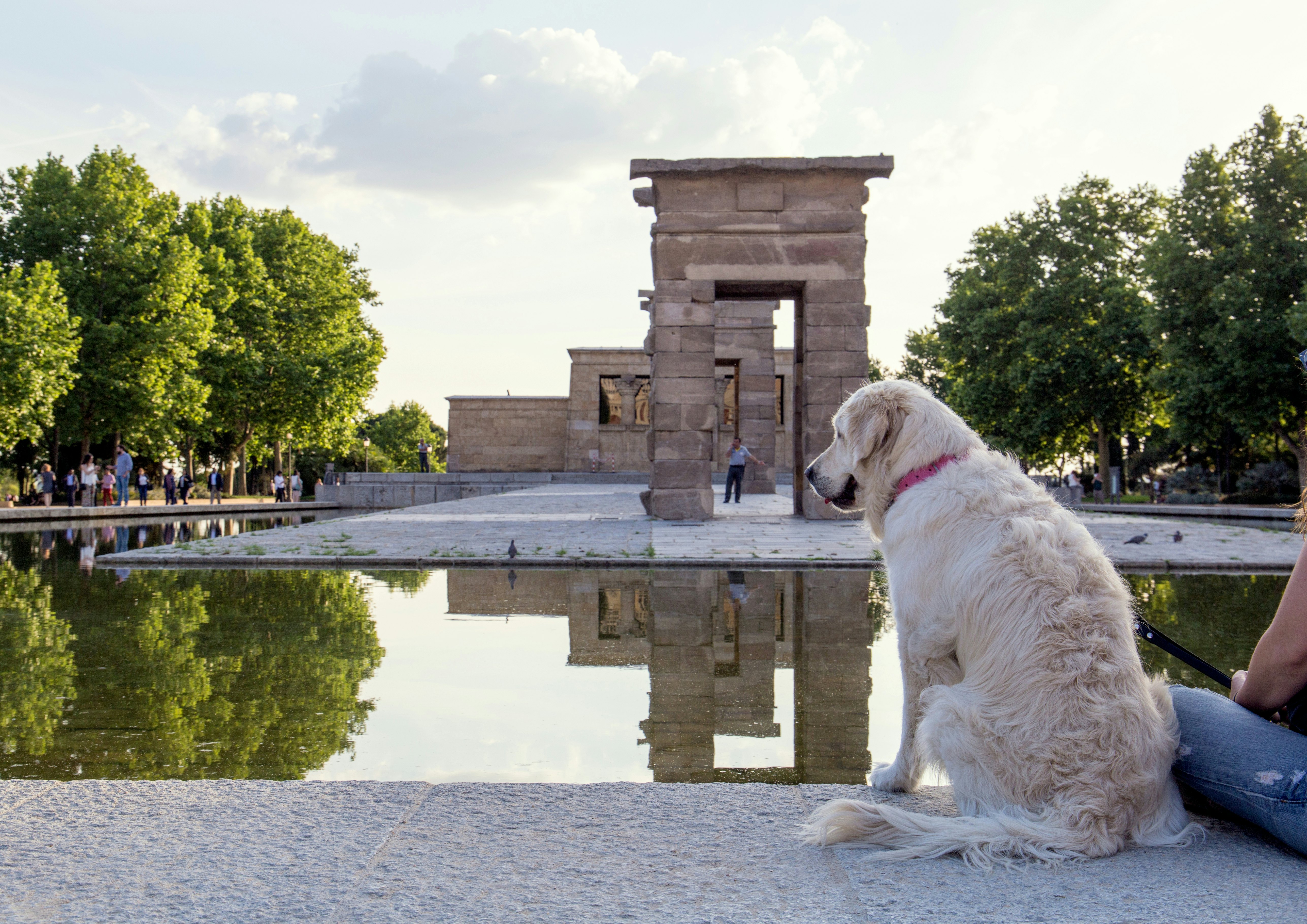
7. Kids and pets will get a lot of friendly attention
Madrid is a child-friendly city. Restaurant owners go out of their way to accommodate children, and you’ll usually be offered a high chair if you come with a toddler in tow. There are playgrounds scattered around the city, often beside bars with outdoor seating, so parents can have a grown-up drink and a few tapas while keeping an eye on their kids. Plaza de la Luna is particularly good for this.
Spaniards love to gush over cute dogs almost as much as babies. So if you’re traveling with a child or a pooch, expect to get a lot of positive attention. Conversely, don’t be afraid to coo over other people’s adorable offspring or pets – part of the joy of visiting Madrid is striking up conversations with friendly locals.
8. Public intimacy is totally fine
Madrileños are really relaxed about PDA, and you’ll regularly see oblivious young lovers in intimate clinches. In the town center, same-sex couples can walk down the street hand in hand and kiss publicly without anyone batting an eyelid.
9. English is widely spoken among younger people
Generally, most businesses are pleased to deal with tourists. Don't be offended, however, if they don’t respond in English to your questions; while younger staff tend to be confident speakers, the older generation was not taught the language and can be shy to engage. They may well get over their reticence if you have a bash at some basic Spanish.

10. Tipping is not expected
Tipping is not the norm for most Spaniards, though some like to leave a euro or two. Understandably, this means that waiters don’t go the extra mile to please. If you are happy with the service, don’t be afraid to tip. When paying by card, you can ask taxi drivers and waiters to add the tip to the bill.
11. Some neighborhoods have been hit hard by tourism
Madrid doesn’t have the same issue of overtourism as Barcelona, though you might see graffiti railing against tourists in some neighborhoods. This is especially true in Lavapiés, which has encountered a lot of gentrification. If you’re worried about your impact on the local economy, avoid Airbnb and other short-term apartment rentals.
12. Take some safety precautions
Be wary of pickpockets on the metro: opportunistic thefts are common, and clueless tourists are a prime target. But as long as you keep an eye on your valuables, you should be fine to walk the city streets at any time of day or night.
In restaurants and bars, make sure you see a menu before going in. Bill padding is the most common scam here, and without a price list to check, you may find yourself losing out to unscrupulous establishments.
Advertisement
Take your Spain trip with Lonely Planet Journeys
Time to book that trip to Spain
Lonely Planet Journeys takes you there with fully customizable trips to top destinations – all crafted by our local experts.